

EXAMEN

Energy Environment
EXAMEN Project
Exposure of Cleaning Agents to Indoor Air Contaminants Related to Their Professional Practice: Identifying Opportunities to Reduce Their Exposure
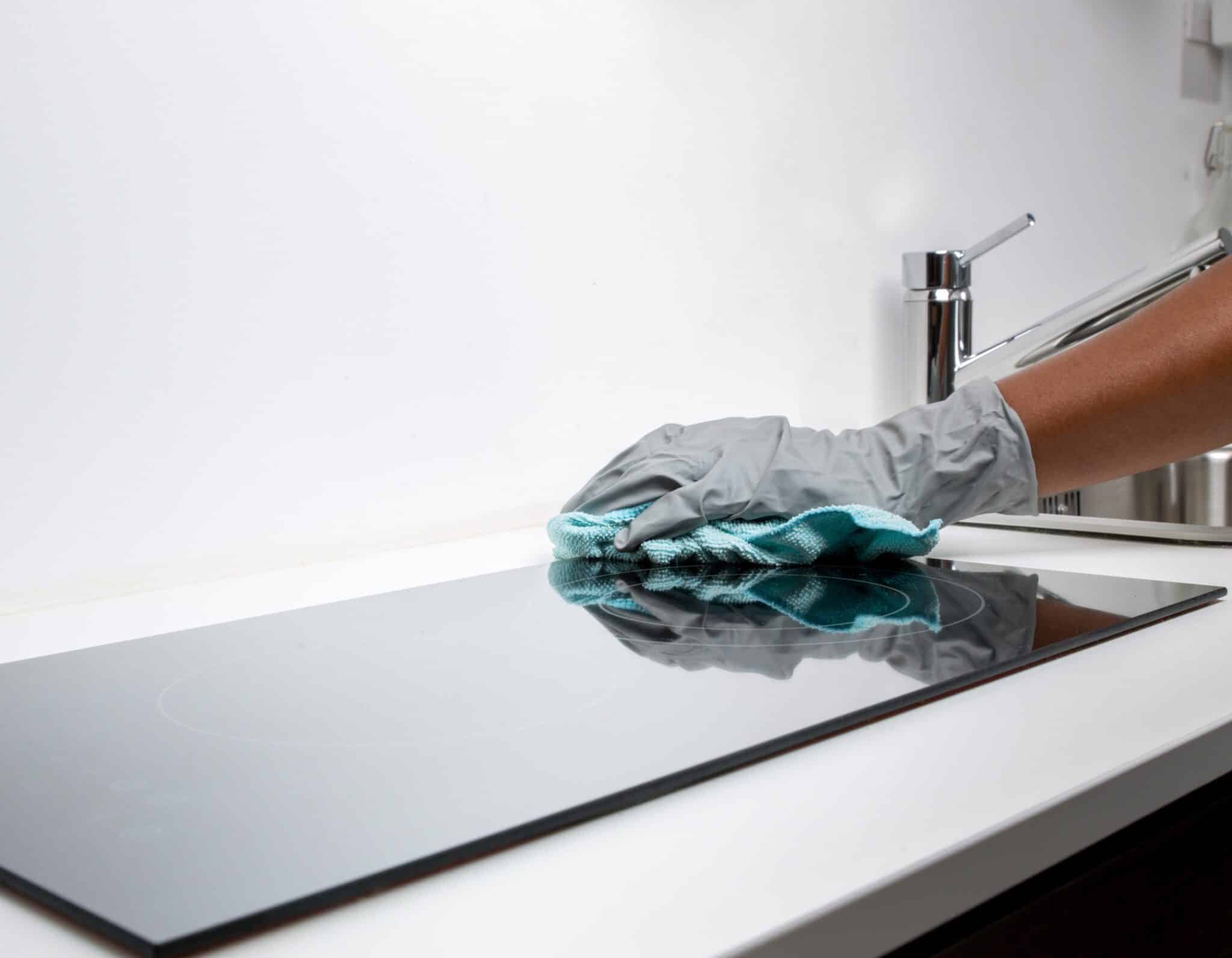
The perception of Indoor Environmental Quality (IEQ) has significantly evolved since the COVID-19 pandemic. New cleaning practices have been introduced, which have had consequences for Indoor Air Quality (IAQ) and the working conditions of cleaning agents in public spaces and businesses. Not only has their workload increased, but these agents are also on the front line regarding exposure to emissions from the intensive use of cleaning products. This exposure is compounded by other occupational risks, including musculoskeletal disorders, as well as the precariousness of their employment and the low perceived value of their work. The new practices also affect the exposure of the occupants of these spaces.
The EXAMEN project aims to assess and propose mitigation solutions for the exposure of cleaning agents to air pollutants, considering all factors related to their working conditions.
Research Questions:
- What contaminants do cleaning activities (including reinforced measures) expose cleaning agents and occupants to?
- What are the exposures and associated risks? For cleaning agents? For the occupants of cleaned spaces? And how can poly-exposures be accounted for in risk analysis?
- What solutions can effectively reduce these exposures while ensuring the hygiene of the premises?
- What conditions (training, data access, employer involvement, etc.) are necessary to change practices and reduce exposure for both agents and occupants?
- How can changing practices help abandon a fatalistic attitude and change the perception of work value(upskilling)?
CERI EE coordinates the project and, in close collaboration with CSTB, conducts experimental work based on innovative methodologies, such as:
- The implementation of full-scale test protocols in innovative test chambers (IRINA).
- The measurement of exposure using embedded sensor systems.
The work is organized into two tasks:
- Determining emission factors related to professional cleaning practices by varying the conditions of product use.
- Assessing individual exposure of cleaning agents during their activities, as well as the exposure of occupants, through the large-scale deployment of sensor systems on a cohort of 20 multi-skilled agents from the City of Nancy.
Main Funder: ANSES
Partners:
- IMT Nord Europe (CERI EE)
- Centre Scientifique et Technique du Bâtiment (CSTB)
- École des Hautes Études en Santé Publique (EHESP)
- Centre Lillois d’Études et de Recherche Sociologiques et Économiques (CLERSE)
- City of Nancy





Want to learn more about
"EXAMEN" ?
Our teams at the IMT Nord Europe research centres are here to help
CONTACT US